Posts

Showing posts with the label Distress

Does yoga work well for the treatment of addiction?

Image
  There are several applications for yoga in   rehabilitation . Yoga has helped people with mental disabilities by improving their capacity as well as physical coordination and social skills. Subjects with physical disabilities who practiced vigorous yoga had some of their practical competence restored. Along with helping people become stronger and more flexible, yoga provides many health benefits. Yoga will typically be beneficial in conjunction with a customized  programme, so if you are a dedicated yogi, this is frequently fantastic news because you do not have to forgo one for the other! •      Increased flexibility •      Cardio and circulatory health •      Protection from injury •      Maintaining a balanced metabolism •      Increased muscle strength and tone •      Improved respiration, energy, and vitality • ...

Can chemotherapy cause behavior problems?

Image
Chemo brain is a terminology used by  cancer  survivors to explain issues with thinking and memory that can occur during and after treating cancer. Chemo brain is also known as chemo fog, cognitive impairment caused by cancer, or cognitive dysfunction. Chemotherapy-induced cognitive impairment, also referred as chemo brain, refers to concerns including forgetfulness, mental fogginess, and decision-making problems that can arise during and after cancer treatment. Exercising and using a graphic organizer are two main things you can do to improve yourself. Chemo brain is a term that describes problems with attention, memory, and thinking that occur as a result of cancer therapy. Chemo fog,  chemotherapy -induced cognitive impairment, and cancer treatment-related cognitive impairment are some of the other names for this disease. Cognitive impairment (difficulty thinking clearly) is sometimes misunderstood as a consequence of chemotherapy. However, it can occur prior to, durin...

What is the addictive behavior?

Image
An addictive behavior is a behavior, or a stimulus related to a behavior (e.g., sex or food), that is both rewarding and reinforcing, and is associated with the development of an addiction. Some of the most common types of behavioral addictions are: ·          Sex. ·          Gambling. ·          Internet. ·          Shopping. ·          Video games. ·          Plasticsurgery . ·          Binge eating/food addiction. ·          Thrill-seeking activities. Addictive behavior is defined by  compulsive drug use despite negative physical and social consequences and the craving for effects other than pain relief . The addiction components model operatio...

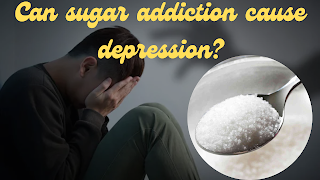
Can sugar addiction cause depression?

Image
In a few years, men who consume more than 40 grams of sugar daily are very likely to be diagnosed with depression . Sugar dependence. According to research, sugar has a higher potential for addiction than hard narcotics like cocaine. You could develop depression and other mood disorders if you are a sugar addict. Cravings and weariness are typical signs of sugar withdrawal, but some people also experience anger, depression, and other undesirable symptoms. Sugar-rich diets have been associated with cognitive decline, unfavorable neuroplasticity , and emotional problems like anxiety and depression. Consuming sugar makes people more impulsive eaters. According to studies, 80% of persons who gave up sugar and other harmful foods reported that their mental health had significantly improved. Researchers that looked at the group discovered that patients had less despair and anxiety, as well as less mood fluctuations and greater mental focus. Among the most typical signs of sugar addiction...

Can Depression change your Personality?

Image
Depression  (major depressive disorder) is a typical and significant health condition that has a negative impact on quality of life, think, and behave. It is also, thankfully, curable. Depression generates sadness and/or the loss of interest in previously appreciated activities. It can cause plenty of mental and physical difficulties, as well as a decrease in your capability to function at work and at home. Understand the connection between personality and depression has consequences for explaining aetiology and comorbidity, detecting at-risk people, and customising therapy. We go through seven primary theories that have been presented to explain the link between personality and depression, as well as crucial methodological issues such qualitative research, mood disorder heterogeneity, and personality evaluation. The extensive empirical literature on the role of personality traits in depression in children and adults is then reviewed selectively.  Additionally , personality tr...

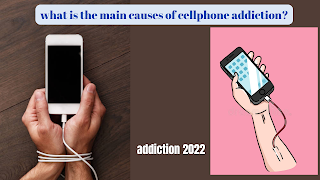
What is the main causes of cellphone addiction?

Image
Social interaction stimulates the release of dopamine . Because so many people use their phones as tools of social interaction, they become accustomed to constantly checking them for that hit of dopamine that's released when they connect with others on social media or some other app. Psychologists liken cell phones to slot machines. Dopamine is a chemical in the brain that induces happiness. It is released every time we receive a message, alert, notification, etc., on our phones. Mobile addiction not only has physical effects but also psychological and academics effect at the same time. Sleep deficit, anxiety, stress, and depression which are all associated with internet abuse, have been related to mobile phone usage too. Amongst the most widely-recognized causes of addiction to social media are low self-esteem, personal dissatisfaction, depression and hyperactivity , and even lack of affection, a deficiency that adolescents frequently try to replace with the famous likes.

Why do teenagers cut themselves?

Image
Some individuals cut because they are desperate to get rid of negative emotions. People who cut may not be aware of other options for coping with emotional anguish or strain. Some individuals cut to show fury, despair, rejection, desperation, desire, or emptiness . It's complicated to understand why people deliberately slash themselves. Cutting is a coping mechanism used by some people to deal with the discomfort of strong emotions, high strain, or distressing interpersonal issues. They may be struggling with sentiments that are too painful to endure or events that they assume were permanent. There are alternative methods to deal with the problems, even major issues and excruciating emotional agony. Major life difficulties or overpowering emotions may necessitate the assistance of a mental health professional. Talking things over with parents, other adults, or colleagues can help put things in perspective in other difficult circumstances or intense emotions. Daily exercise can a...