Posts

Showing posts with the label cancer

Can chemotherapy cause behavior problems?

Image
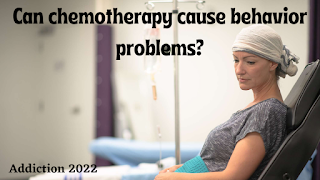
Chemo brain is a terminology used by  cancer  survivors to explain issues with thinking and memory that can occur during and after treating cancer. Chemo brain is also known as chemo fog, cognitive impairment caused by cancer, or cognitive dysfunction. Chemotherapy-induced cognitive impairment, also referred as chemo brain, refers to concerns including forgetfulness, mental fogginess, and decision-making problems that can arise during and after cancer treatment. Exercising and using a graphic organizer are two main things you can do to improve yourself. Chemo brain is a term that describes problems with attention, memory, and thinking that occur as a result of cancer therapy. Chemo fog,  chemotherapy -induced cognitive impairment, and cancer treatment-related cognitive impairment are some of the other names for this disease. Cognitive impairment (difficulty thinking clearly) is sometimes misunderstood as a consequence of chemotherapy. However, it can occur prior to, durin...
Can Depression change your Personality?

Image
Depression  (major depressive disorder) is a typical and significant health condition that has a negative impact on quality of life, think, and behave. It is also, thankfully, curable. Depression generates sadness and/or the loss of interest in previously appreciated activities. It can cause plenty of mental and physical difficulties, as well as a decrease in your capability to function at work and at home. Understand the connection between personality and depression has consequences for explaining aetiology and comorbidity, detecting at-risk people, and customising therapy. We go through seven primary theories that have been presented to explain the link between personality and depression, as well as crucial methodological issues such qualitative research, mood disorder heterogeneity, and personality evaluation. The extensive empirical literature on the role of personality traits in depression in children and adults is then reviewed selectively.  Additionally , personality tr...

What is the main causes of cellphone addiction?

Image
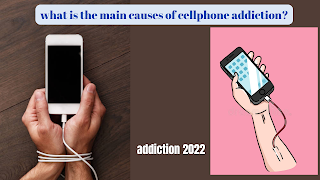
Social interaction stimulates the release of dopamine . Because so many people use their phones as tools of social interaction, they become accustomed to constantly checking them for that hit of dopamine that's released when they connect with others on social media or some other app. Psychologists liken cell phones to slot machines. Dopamine is a chemical in the brain that induces happiness. It is released every time we receive a message, alert, notification, etc., on our phones. Mobile addiction not only has physical effects but also psychological and academics effect at the same time. Sleep deficit, anxiety, stress, and depression which are all associated with internet abuse, have been related to mobile phone usage too. Amongst the most widely-recognized causes of addiction to social media are low self-esteem, personal dissatisfaction, depression and hyperactivity , and even lack of affection, a deficiency that adolescents frequently try to replace with the famous likes.

How does addiction start in the brain?

Image
When a person develops an addiction , the brain desires the substance's reward. This is due to the brain's rating system being easily distracted. As a result, many users continue to consume the chemical, which can result in a variety of euphoric experiences and strange behaviour tendencies. Addictions primarily affected by changes in the brain's mesolimbic dopamine system, commonly known as the reward circuit, which originates above the brain stem in the ventral tegmental area (VTA). Dopamine neurons have cell bodies in the VTA and axons that reach to the nucleus accumbens. Though addiction can reveal itself in a variety of ways, including hormonal changes and behaviours, neuroimaging and scanning can also reveal symptoms of addiction in the brain . Researchers investigating at how addiction influences the brain have discovered distinct markers of addiction in the chemistry and structure of the brain. When the impulse using a substance hijacks area of the brain that rewar...

What is primary prevention of addiction?

Image
Primary prevention is assisting those who are at risk of developing addictive habits . Secondary prevention involves detecting potentially dangerous substance use before overt indications or problems appear. The purpose of the focus prevention is to stop disease or harm from happening in the first place. This is accomplished through avoiding disease or injury-causing dangers, altering unhealthy or risky behaviours that can lead to illness or injury, and developing sensitivity to disease or injury if exposure occurs. Even though primary prevention strategies have been effective for the treatment of chronic physical diseases, they have been less effective in the treatment of SUD due to misunderstandings about disease, a shortage of behavioural health professionals, and a population-based focus on specific substances. It is necessary to establish a developmental approach to the detection and primary prevention of SUD that does not just rely on behavioural health specialists. The goal o...

Can chemotherapy cause behavior problems?

Image
Chemo brain is a terminology used by cancer survivors to explain issues with thinking and memory that can occur during and after treating cancer. Chemo brain is also known as chemo fog, cognitive impairment caused by cancer, or cognitive dysfunction. Chemotherapy-induced cognitive impairment, also referred as chemo brain, refers to concerns including forgetfulness, mental fogginess, and decision-making problems that can arise during and after cancer treatment. Exercising and using a graphic organizer are two main things you can do to improve yourself. Chemo brain is a term that describes problems with attention, memory, and thinking that occur as a result of cancer therapy. Chemo fog, chemotherapy -induced cognitive impairment, and cancer treatment-related cognitive impairment are some of the other names for this disease. Cognitive impairment (difficulty thinking clearly) is sometimes misunderstood as a consequence of chemotherapy. However, it can occur prior to, during, or followin...