Posts

Showing posts with the label stress

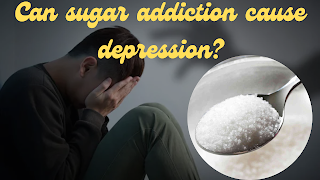
Can sugar addiction cause depression?
Image
In a few years, men who consume more than 40 grams of sugar daily are very likely to be diagnosed with depression . Sugar dependence. According to research, sugar has a higher potential for addiction than hard narcotics like cocaine. You could develop depression and other mood disorders if you are a sugar addict. Cravings and weariness are typical signs of sugar withdrawal, but some people also experience anger, depression, and other undesirable symptoms. Sugar-rich diets have been associated with cognitive decline, unfavorable neuroplasticity , and emotional problems like anxiety and depression. Consuming sugar makes people more impulsive eaters. According to studies, 80% of persons who gave up sugar and other harmful foods reported that their mental health had significantly improved. Researchers that looked at the group discovered that patients had less despair and anxiety, as well as less mood fluctuations and greater mental focus. Among the most typical signs of sugar addiction...

Why do teenagers cut themselves?

Image
Some individuals cut because they are desperate to get rid of negative emotions. People who cut may not be aware of other options for coping with emotional anguish or strain. Some individuals cut to show fury, despair, rejection, desperation, desire, or emptiness . It's complicated to understand why people deliberately slash themselves. Cutting is a coping mechanism used by some people to deal with the discomfort of strong emotions, high strain, or distressing interpersonal issues. They may be struggling with sentiments that are too painful to endure or events that they assume were permanent. There are alternative methods to deal with the problems, even major issues and excruciating emotional agony. Major life difficulties or overpowering emotions may necessitate the assistance of a mental health professional. Talking things over with parents, other adults, or colleagues can help put things in perspective in other difficult circumstances or intense emotions. Daily exercise can a...

What is the best psychological treatment for addiction?

Image
CBT is an effective treatment option since it can be used to treat a wide variety of addictions, including but not limited to foodaddiction , alcohol addiction, and prescription medication addiction. Treatment for addiction is not one-size-fits-all.   You can select the therapy that is ideal for you depending on the substance you are misusing, the degree of care you require, your unique mental health demands, or your financial resources. Here are a few of the most frequent addiction therapies that have helped individuals achieve long-term sobriety. Detoxification Detoxification with medical support helps you to safely clear your body of addicted chemicals. This is advantageous since substance withdrawal can occasionally result in unpleasant or even life-threatening bodily effects. Detox is usually used in conjunction with other therapies since it does not address the underlying behavioural reasons of addiction. Cognitive Behavioral Therapy Cognitive Behavioral Therapy (CBT...

What is primary prevention of addiction?

Image
Primary prevention is assisting those who are at risk of developing addictive habits . Secondary prevention involves detecting potentially dangerous substance use before overt indications or problems appear. The purpose of the focus prevention is to stop disease or harm from happening in the first place. This is accomplished through avoiding disease or injury-causing dangers, altering unhealthy or risky behaviours that can lead to illness or injury, and developing sensitivity to disease or injury if exposure occurs. Even though primary prevention strategies have been effective for the treatment of chronic physical diseases, they have been less effective in the treatment of SUD due to misunderstandings about disease, a shortage of behavioural health professionals, and a population-based focus on specific substances. It is necessary to establish a developmental approach to the detection and primary prevention of SUD that does not just rely on behavioural health specialists. The goal o...

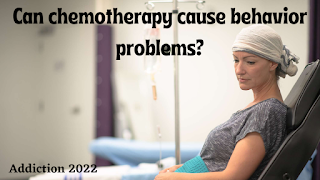
Can chemotherapy cause behavior problems?

Image
Chemo brain is a terminology used by cancer survivors to explain issues with thinking and memory that can occur during and after treating cancer. Chemo brain is also known as chemo fog, cognitive impairment caused by cancer, or cognitive dysfunction. Chemotherapy-induced cognitive impairment, also referred as chemo brain, refers to concerns including forgetfulness, mental fogginess, and decision-making problems that can arise during and after cancer treatment. Exercising and using a graphic organizer are two main things you can do to improve yourself. Chemo brain is a term that describes problems with attention, memory, and thinking that occur as a result of cancer therapy. Chemo fog, chemotherapy -induced cognitive impairment, and cancer treatment-related cognitive impairment are some of the other names for this disease. Cognitive impairment (difficulty thinking clearly) is sometimes misunderstood as a consequence of chemotherapy. However, it can occur prior to, during, or followin...

Why do people become addicted?

Image
There is no single cause for addiction , and anybody may acquire an addiction to anything. Environmental and genetic variables, on the other hand, are two major reasons that might render someone prone to addiction. A home environment where trauma, abuse, or addictive behaviours occur; a living environment where drugs, alcohol, or other addictions are easily accessible and occurring; friends, family members, or other peer influences of individuals who are addicted or regularly engage in problematic behaviours; social acceptance of problematic behaviours; or a culture that generally accepts addiction are all examples of environmental variables. A family history of mental illness or addiction is one of the genetic factors. Aside from genetic and environmental risk factors, there are a number of other elements that might increase one's chances of developing an addiction. Individuals with underlying mental health concerns like anxiety or depression are more likely to develop an addic...

Why therapy is essential in treating addiction?

Image
Addiction medical care is important tools to assist you adhere to your path to recovery and future sobriety – even once your physical dependence has passed. Various social and psychological factors might complicate recovery. Examples include: Stress, Social occasions, like birthdays and family celebrations, Environmental stimuli, like visiting an exact place or neighborhood that you just equate along with your habit These square measure some of the factors that may resuscitate your urge to start to consume a substance once more. Message provides you with the tools and solutions required to deal with life while not reverting back to your habit-forming habits. It also can assist you manage your cravings throughout difficult and nerve-wracking times. Divulging secrets to somebody United Nations agency sounds like a alien may be troublesome initially. It will take tons of your time to trust your counselor enough to share sensitive info. It’s necessary to expertise addiction medical car...